'Practical education has always been one of the strengths of this programme.'
Jasper, former student of Human Geography and Planning
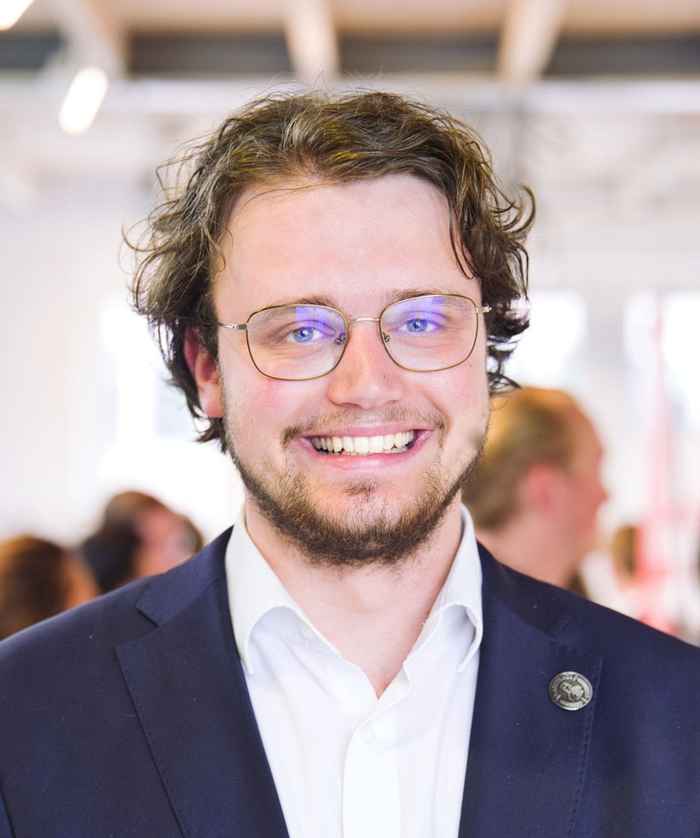
The level is high, but you learn a lot from it
I often felt that the level of the programme was high. For me, that was something positive. There was no confusion or extra fuss, the focus was always on the content. I noticed this especially during exams. The exams were essay-based, so even while writing them, I sometimes got new ideas.
My thesis was also a challenge. My supervisor, Inge, supported me very well. She encouraged me to keep working during the summer so I could get the best result. I am still very thankful for that.
You learn the most in practice and from each other
Practical classes are an important part of Human Geography and Planning. Every year, students are very excited about the field trip abroad. It is always a highlight.
For me, practical learning also means spending time with other students and talking about the study. Short conversations during lectures, in breaks, or on the way to the metro were very valuable. I learned a lot from these small moments.
The advantage of a bilingual programme
Socially and academically, I learned how important it is to speak the local language. For international students, I want to give one piece of advice: try to understand Dutch, even a little. It helps you understand what happens around you, even if people can speak English well. I hope the programme can stay bilingual in practice.
If you choose Human Geography and Planning, I hope you will enjoy your student years as much as I did.